Factoring limited access, tide and weather constraints, manual inspections can fail to cover, or record, the entirety of the asset.
Over time, undetected defects can lead to costly corrective repairs that strain budgets.
Accessing information to report on asset condition via 2D reports, historic engineering plans or photos is often complex and time-intensive.
The time it takes to compile these reports can slow down decision-making.
Sourcing information from multiple data sources requires tedious admin effort.
Additionally, relying on historical data may not reflect recent changes and can create inconsistencies in reports.

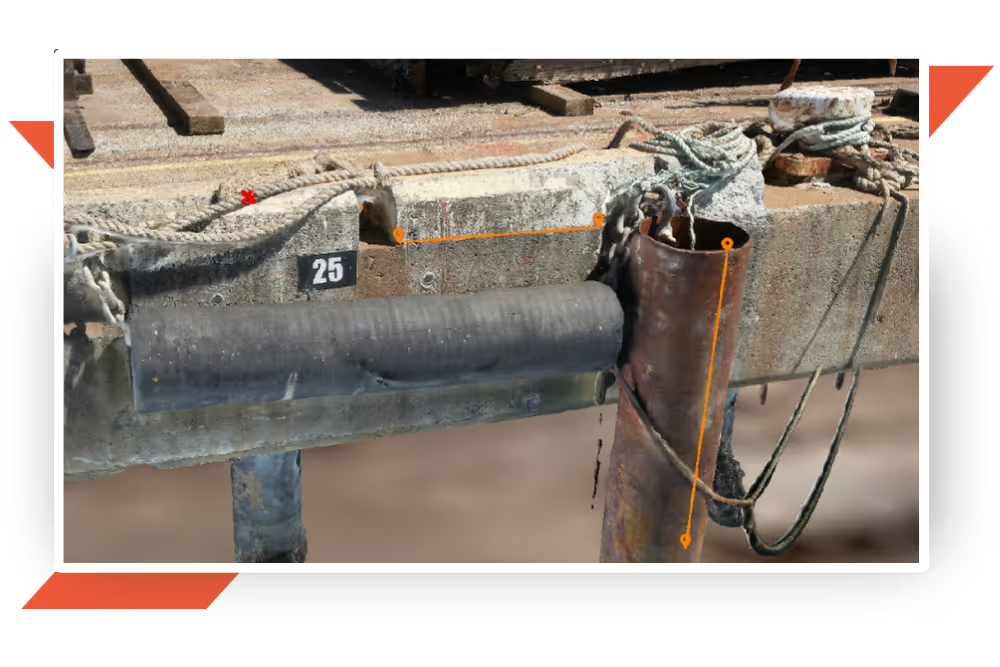
Leverage interactive, virtual walkthroughs to assess asset condition and spot vulnerabilities — including spalls, cracks, rust, and corrosion — without halting operations.
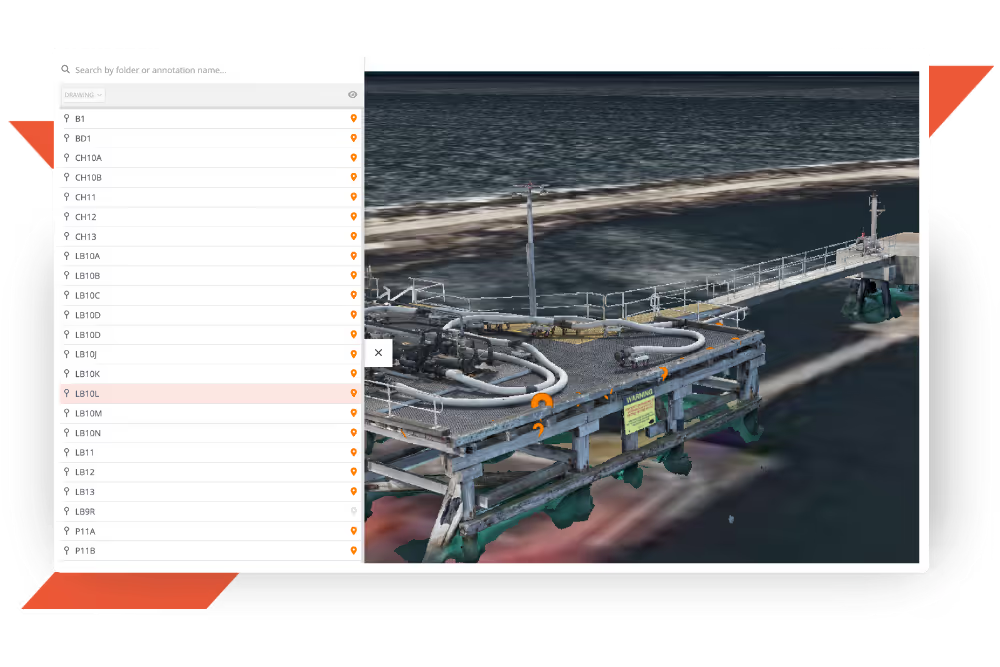
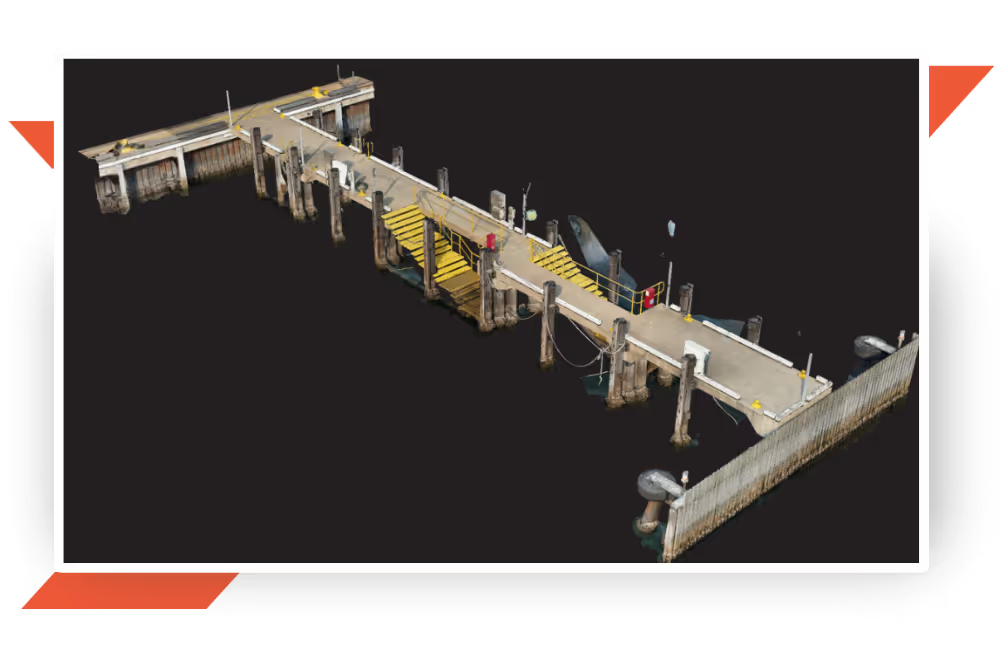
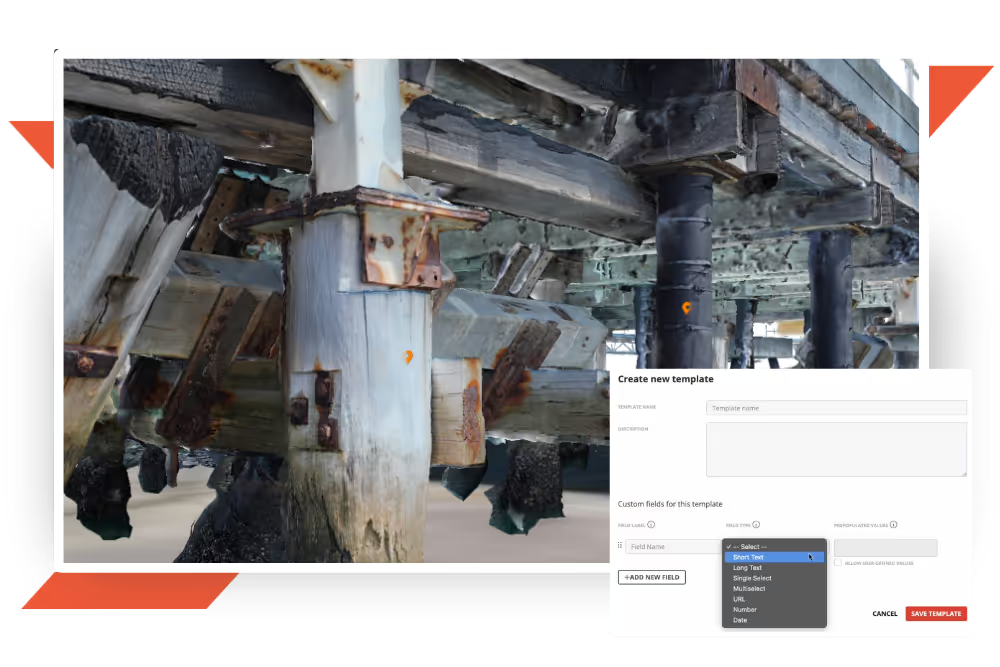
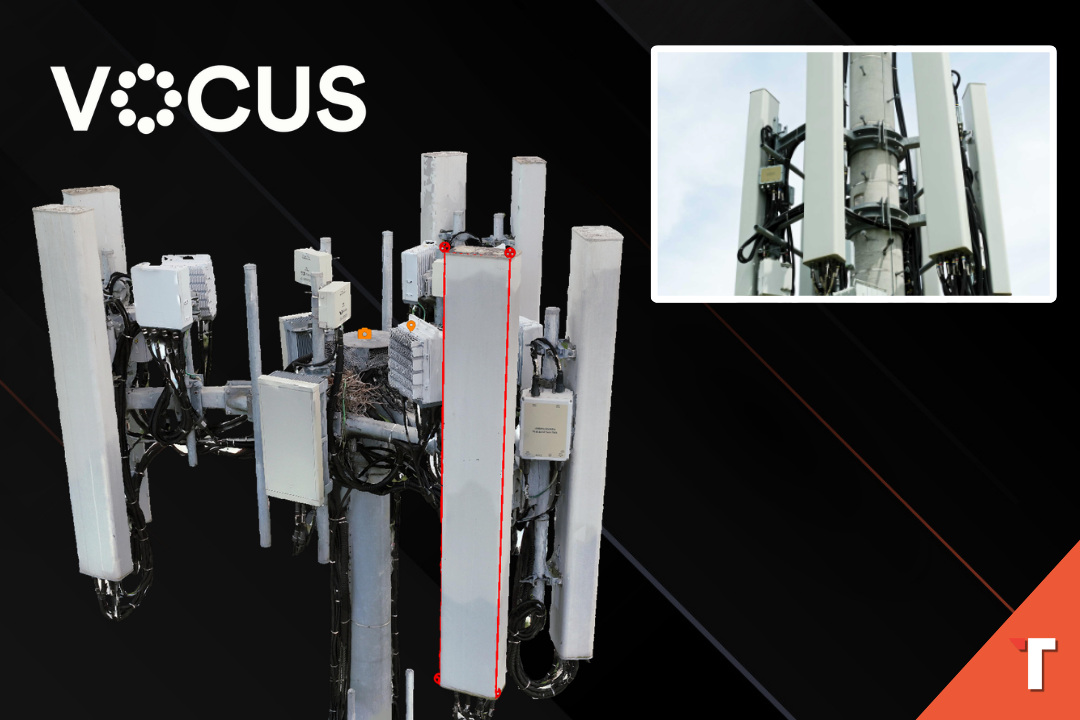
Transform assets into interactive 3D models, such as pylons and large shiploaders, and provide stakeholders with visually intuitive data for more informed decision-making and investment for repair works.

Replace manual inspection methods with scalable digital capture, minimising the need for personnel in high-risk areas and downtimes.
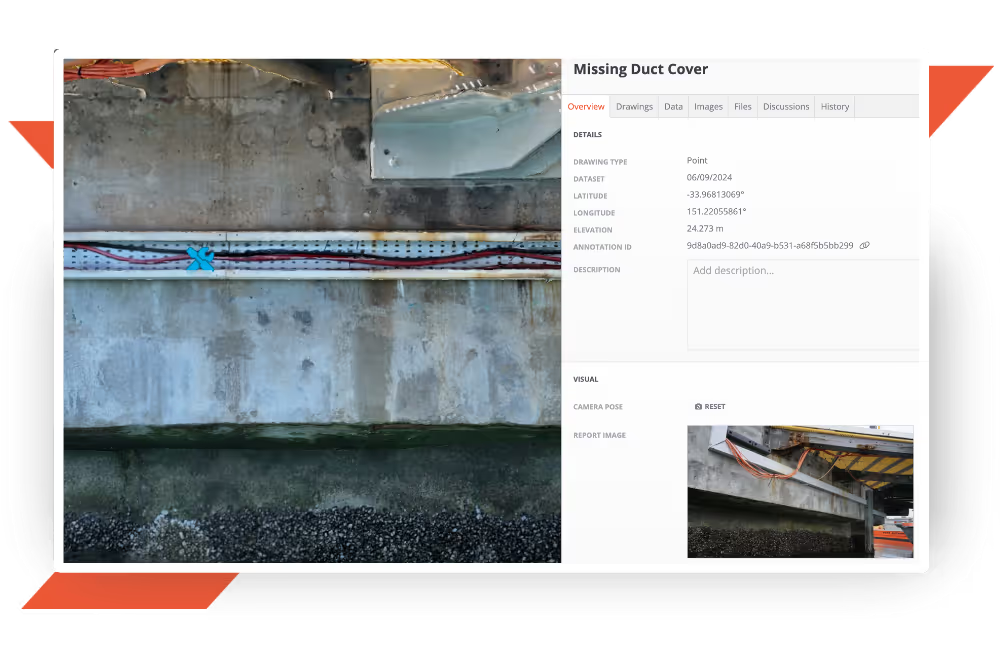
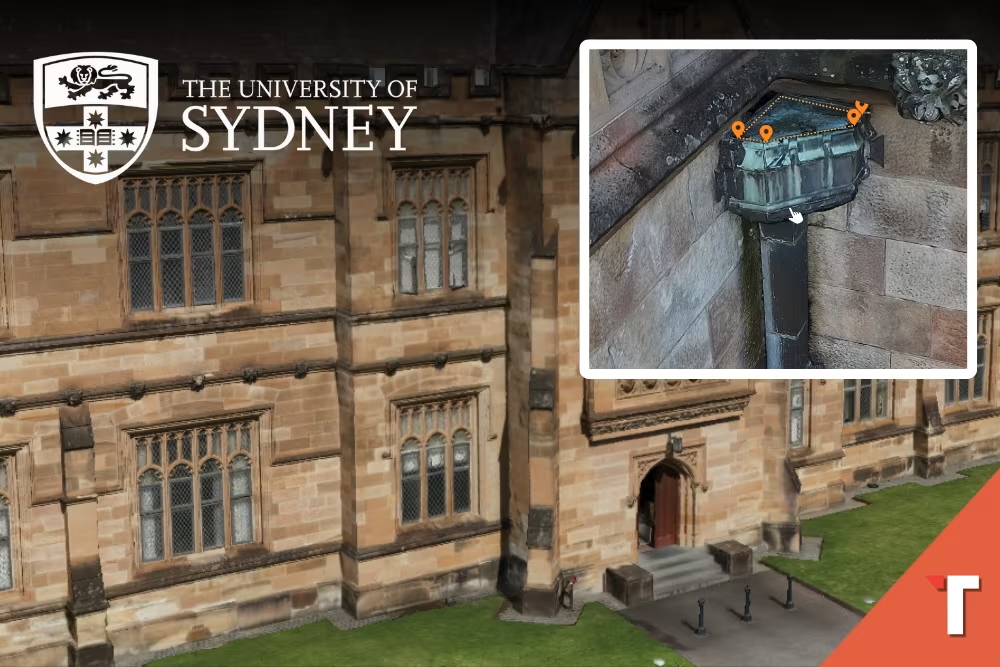
Deliver digital reports — including exact measurements, spatial context, location, access requirements, risk severity and materials — that stand up to scrutiny.
Safeguard against critical risks to protect your people, your investments, and your reputation

Use comprehensive visual data to share updates among global teams to prevent potential failures.
Minimise costly shutdowns, or personnel working in high-risk environments.
Compare historical and current data to track changes, informing long-term maintenance strategies and CAPEX planning.

Setup and streamline routine inspection reports with Trendspek's customisable Reporting and Templates, and neatly organise hundreds of annotations.
Ensure compliance with reporting criteria such as WSCAM to capture all critical details of asset condition.
Deliver accurate digital reports that stand up to scrutiny, or export as CSV, .xlsx or PDF to share with key decision-makers.

Virtually share insights with contractors, engineers and other key decision-makers to minimise repeat site visits, and keep operations running smoothly.
Unlock strategic planning and better resource capital allocation, ensuring maintenance efforts are focused where and when they are most needed.

Above and below shipping wharves, piers and suspended decks.
.avif)
Hardstands, pavements with high foot and vehicle traffic.

Breakwaters, revetments, harbours, coastal protection.

Container cranes, port cranes, shiploaders and docking systems.

Site offices, roofing, ventilation systems, facades, support structures.